
How To Apply Essential Oils To Your Pets
How To Apply Essential Oils To Your Pets
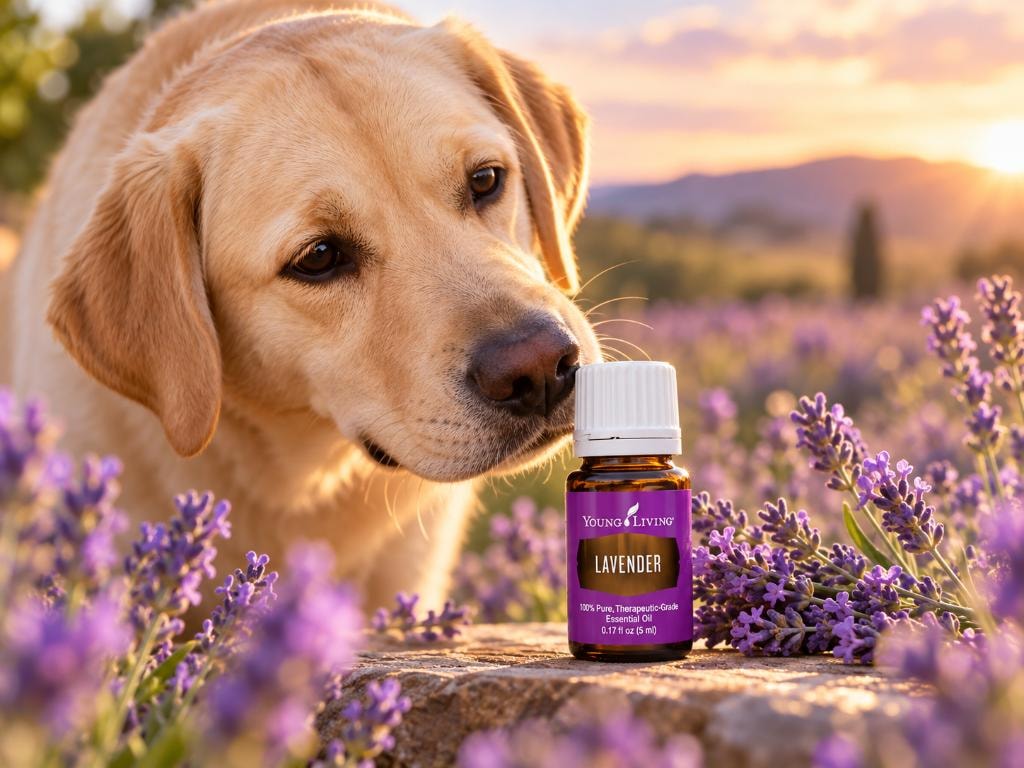
Once your pet has been introduced to essential oils and shown interest, there are several safe ways to apply them. Always start slowly, use high-quality pure oils, and dilute appropriately for your animal's size and species.
Aromatic / Diffusion
Diffusing is one of the gentlest and most effective ways to use essential oils with pets. Start with 1–2 drops in a diffuser placed in an open room. Always ensure your pet can leave the area if they choose — never trap them in a closed space with a diffuser running.
Topical Application
For dogs, essential oils can be applied topically when properly diluted in a carrier oil (such as fractionated coconut oil, jojoba, or sweet almond oil). Common application points include the paws, spine, and behind the ears. Always dilute — never apply undiluted (neat) oils directly to skin.
Important for cats: Important for cats: Cats are extremely sensitive to essential oils due to their liver enzyme deficiency. Topical application on cats should only be done under the guidance of a knowledgeable practitioner. When in doubt, aromatic introduction only.
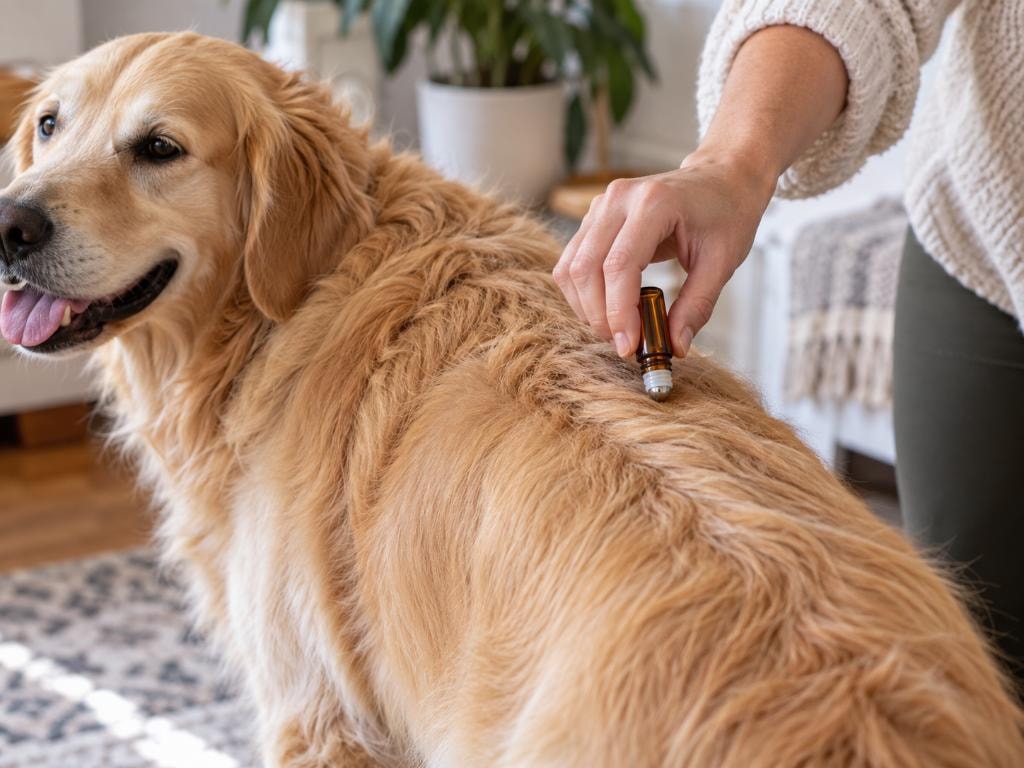
Dilution Guidelines
- Large dogs (50+ lbs): 3–5% dilution (3–5 drops per tablespoon of carrier oil)
- Medium dogs (25–50 lbs): 1–3% dilution
- Small dogs (under 25 lbs): 0.5–1% dilution
- Cats: Aromatic use only unless directed by a practitioner
- Horses: Can tolerate higher concentrations — allow them to guide the session
Safety First
Always use therapeutic-grade, pure essential oils from a reputable source. Avoid oils known to be toxic to pets (tea tree/melaleuca, pennyroyal, wintergreen, and others). When in doubt, consult with a practitioner before applying any oil to your animal.